
 DE
DE  FR
FR  IT
IT 
Women's rain boots
-
-
Outlet -15
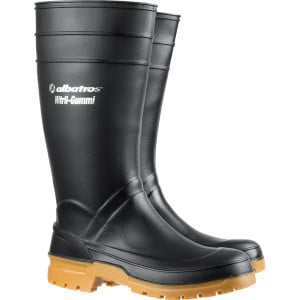
Professional boots Albatros GUARDIAN HIGH
As low as €25.46 €25.46 Was price €29.95 -
-
-
Outlet -15
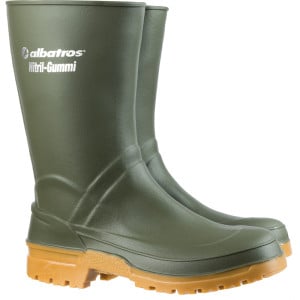
Albatros GUARDIAN 564020 MID work boots
As low as €21.92 €21.92 Was price €25.79 -
-
-
Outlet -20
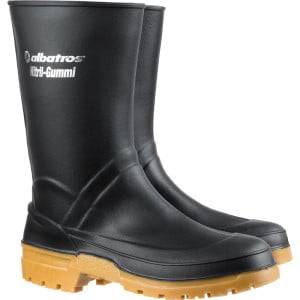
Albatros GUARDIAN 564040 MID work boots
As low as €23.96 €23.96 Was price €29.95 -
-
-
Outlet -20
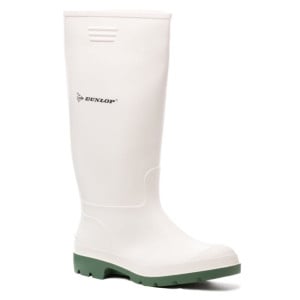
Unsecured Dunlop HYGRADE waterproof boots
As low as €17.98 €17.98 Was price €22.47 -
-
-
Outlet -15
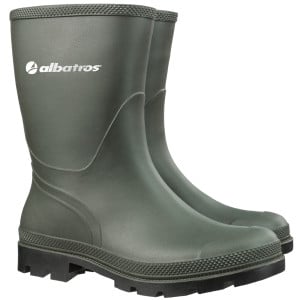
PVC work boots Albatros THE RANCHER OB E SRA
As low as €10.94 €10.94 Was price €12.87 -
-
-
Bestseller
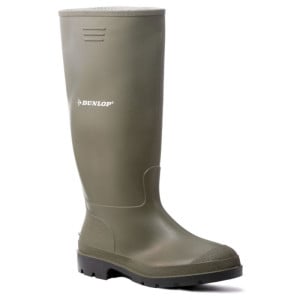
Dunlop Selenium Rain Boot
As low as €15.39 €15.39 -
-
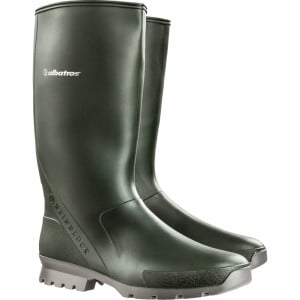
Albatros SMARAGD women's rain boots
As low as €21.95 €21.95 -
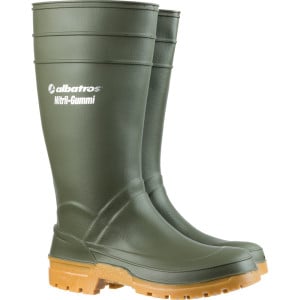
Albatros GUARDIAN HIGH work boots
As low as €29.95 €29.95
Protection and performance: professional rain boots
Professional rain boots are an essential part of personal protective equipment in many industries. Designed to strict standards, they ensure total waterproofness and high resistance in demanding conditions. Whether you work in agriculture, construction, the food industry or landscaping, these work shoes protect your feet while maintaining a high level of comfort.
Technical features of rain boots
The design of the professional rain boots offered by Oxwork meets precise requirements in terms of protection and durability. Below are the key technical elements that define their performance.
Materials and construction
Rain boots are mainly made of PVC or natural rubber. PVC provides excellent chemical resistance and easy cleaning, while natural rubber offers greater flexibility and improved tear resistance. One-piece (monobloc) construction eliminates seams, which are potential weak points for water ingress.
Slip-resistant soles
Lugged soles provide maximum grip on wet, muddy or slippery surfaces. Deep tread patterns channel away water and debris effectively, significantly reducing the risk of slipping. Some models use special rubber compounds to improve abrasion resistance and extend the life of the outsole.
Lining and thermal comfort
Lined versions feature an insulating lining that helps retain body heat even at sub-zero temperatures. This thermal protection is particularly important for prolonged outdoor work in winter conditions.
Safety standards and classifications
Like all work shoes, professional rain boots must comply with strict European standards that define their protection levels and fields of application.
EN ISO 20347 standard
This standard applies to occupational footwear without a protective toe cap. It defines basic requirements such as resistance to penetration, antistatic properties, energy absorption in the heel area and resistance to hydrocarbons.
SRC slip resistance rating
The SRC classification indicates slip resistance tested on ceramic tiles with a soap solution and on steel with glycerol. This certification guarantees a high level of safety on smooth, slippery surfaces.
HRO marking
The HRO (Heat Resistant Outsole) marking certifies that the outsole can withstand contact with hot surfaces up to 300 °C for 60 seconds, an important protection feature in certain industrial environments.
Sector-specific applications for rain boots
Each industry has specific constraints that influence the choice of professional rain boots.
Agriculture and livestock
Agricultural work requires boots that are resistant to chemicals (fertilisers, pesticides) and organic matter. Ease of cleaning and good resistance to puncture are key selection criteria in this context.
Food industry
The food industry requires boots that comply with hygiene protocols (such as HACCP). They must be easy to disinfect, have no exposed seams and be resistant to animal and vegetable fats. Smooth PVC models in the food boots category are particularly suitable.
Construction and public works
Construction sites expose workers to multiple risks: concrete splashes, contact with abrasive surfaces, standing water and mud. Here, boots must combine mechanical protection with reliable waterproofness. Depending on the risk assessment, safety boots with a protective toe cap and puncture-resistant midsole may be required.
Selection criteria for rain boots
The choice of professional rain boots should be based on a precise analysis of your working conditions and the risks identified, as with any work shoes.
Risk assessment
Identify the hazards present in your workplace: water, chemicals, slippery surfaces, extreme temperatures. This analysis determines the level of protection required (SRC, HRO, chemical resistance, insulating lining, etc.).
Duration of use
For extended wear, opt for models with textile lining to improve comfort and reduce perspiration. Shock-absorbing midsoles help limit fatigue during long periods of standing and frequent walking.
Ease of donning
Quick-to-pull-on boots with pull tabs make frequent changes easier. Some waterproof work boots feature adjustable calf straps or top gussets to ensure a secure fit, especially on construction sites or in livestock environments.
The different types of rain boots
Whether you are looking for rain boots for work, extra comfort in winter or a classic style for wet weather, there is a suitable option for every need. Rain boots differ from safety shoes or safety boots. Here is an overview of the main categories.
Rain boots for professional use
Working outdoors in all weather conditions requires reliable equipment. Waterproof work boots are designed to protect against moisture, cold and uneven terrain. Equipped with deep-tread soles for maximum grip, they help reduce the risk of slipping. Some models also include a reinforced safety toe cap, ideal for workers in construction, agriculture or fishing.
Lined boots: warmth and comfort in winter
When temperatures drop, a simple rubber rain boot may no longer be enough. Lined boots with insulating fleece, wool or neoprene lining keep your feet warm down to around –20 °C (according to manufacturer specifications). They provide an excellent solution for anyone who spends long hours outdoors in winter.
Classic rubber rain boots
Classic rubber rain boots remain a timeless essential. Their strengths are reliable waterproofness and a wide range of styles, from simple unisex models to fashion-oriented designs with colours, patterns or glossy finishes. They are available in tall versions for maximum splash protection or shorter versions for greater freedom of movement.
Care and durability
Proper maintenance significantly extends the service life of your rain boots and preserves their protective properties.
Daily cleaning
Rinse your boots thoroughly after use to remove chemical and organic residues. Use a soft brush and a suitable cleaning agent for stubborn stains, especially on PVC models used in agriculture or the food industry.
Drying and storage
Allow your boots to dry at room temperature, away from direct heat sources that could damage the materials. Store them in a dry, ventilated place, protected from direct sunlight to prevent cracking of rubber or PVC.
Regular inspection
Regularly check the condition of the soles and look for cracks, cuts or punctures. Replace any boots that show signs of wear that could compromise their protective level, especially if you work in high-risk environments where PPE is critical.
Frequently asked questions about professional rain boots
Below you will find answers to the most common questions about the use and selection of rain boots in professional environments.
What is the difference between safety boots and rain boots?
Safety boots include a protective toe cap and comply with EN ISO 20345. Rain boots without a toe cap fall into the category of occupational footwear (EN ISO 20347) and focus on protection against water and moisture rather than impact protection.
How do I choose the right size?
Measure your feet at the end of the day when they are slightly swollen. Allow 1 to 1.5 cm of space between your longest toe and the front of the boot to ensure comfortable walking. If you wear thick or thermal socks, factor this into your size choice.
Are rain boots suitable for cold weather?
Lined models retain warmth down to around –20 °C, depending on the manufacturer’s specifications. For lower temperatures or very long exposure times, combine them with technical thermal socks and always check the recommendations provided on the product page.
Can a punctured rain boot be repaired?
Small punctures can be temporarily sealed with dedicated repair kits for PVC or rubber. However, this is only a short-term solution: you should replace the boot as soon as possible, because repairs reduce long-term waterproofness and lower the overall protection level.