
 DE
DE  FR
FR  IT
IT 
Rain boots
-
-
Outlet -15
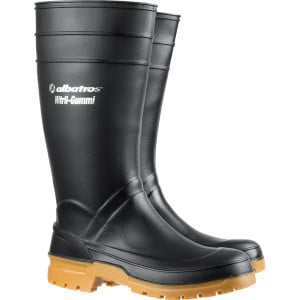
Professional boots Albatros GUARDIAN HIGH
As low as €25.46 €25.46 Was price €29.95 -
-
-
Outlet -15
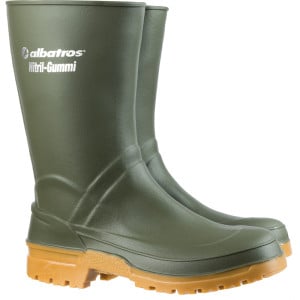
Albatros GUARDIAN 564020 MID work boots
As low as €21.92 €21.92 Was price €25.79 -
-
-
Outlet -20
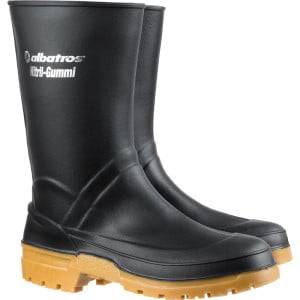
Albatros GUARDIAN 564040 MID work boots
As low as €23.96 €23.96 Was price €29.95 -
-
-
Outlet -15
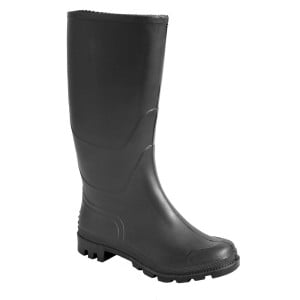
PVC Wellington Non-Safety Boots Portwest
As low as €10.57 €10.57 Was price €12.43 -
-
-
Outlet -20
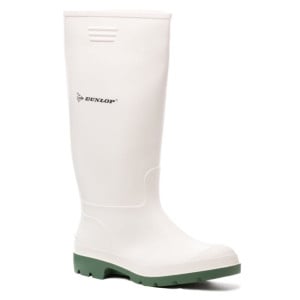
Unsecured Dunlop HYGRADE waterproof boots
As low as €17.98 €17.98 Was price €22.47 -
-
-
Outlet -15
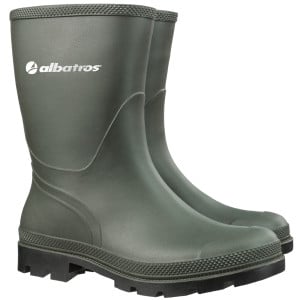
PVC work boots Albatros THE RANCHER OB E SRA
As low as €10.94 €10.94 Was price €12.87 -
-
-
Bestseller
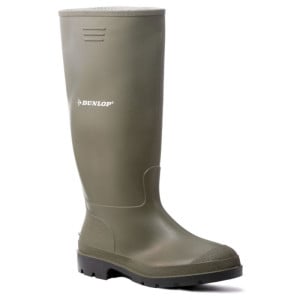
Dunlop Selenium Rain Boot
As low as €15.39 €15.39 -
-
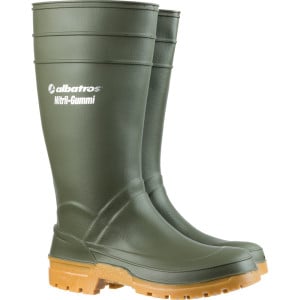
Albatros GUARDIAN HIGH work boots
As low as €29.95 €29.95
Protection and performance: professional rain boots
Rain boots are an essential piece of personal protective equipment for many industries. Designed in line with strict standards, they guarantee complete waterproofing and high resistance in demanding conditions. Whether you work in agriculture, construction, the food industry or grounds maintenance, these professional boots protect your feet while maintaining a high level of comfort.Technical features of rain boots
The design of professional rain boots from Oxwork follows precise requirements in terms of protection and durability. Below are the key technical elements that define their performance.Materials and construction
Rain boots are mainly made from PVC or natural rubber. PVC offers superior chemical resistance and easy cleaning, while natural rubber provides greater flexibility and improved tear resistance. One-piece construction removes seams, which are potential weak points for water infiltration.
Slip-resistant outsoles
Deeply lugged outsoles ensure maximum grip on wet, muddy or slippery ground. The deep tread patterns channel away water and debris efficiently, significantly reducing the risk of slipping. Some models also use special rubber compounds to improve abrasion resistance.
Lining and thermal comfort
Insulated versions feature a warm lining that maintains body heat even in sub-zero temperatures. This thermal protection is especially important for prolonged outdoor work in winter conditions.
Safety standards and classifications
Professional rain boots must comply with strict European standards, just like all professional footwear, which define their protection level and intended fields of use.EN ISO 20347 standard
This standard covers occupational footwear without a protective toecap. It defines basic requirements such as penetration resistance, antistatic properties, heel energy absorption and resistance to hydrocarbons.
SRC slip rating
The SRC classification indicates slip resistance tested on ceramic tiles with a soapy solution and on steel floors with glycerine. This certification ensures an optimal level of safety on slippery surfaces.
HRO marking
The HRO (Heat Resistant Outsole) marking certifies that the outsole withstands contact with hot surfaces up to 300 °C for 60 seconds – a vital feature in many industrial environments.
Sector-specific applications of rain boots
Each industry has its own constraints, which influence the choice of professional rain boots.Agriculture and livestock
Agricultural work requires boots that are resistant to chemicals (fertilisers, pesticides) and organic matter. Easy cleaning and good penetration resistance are key selection criteria.
Food industry
In the food industry, boots must comply with HACCP hygiene guidelines. They should be easy to disinfect, have no exposed seams and resist both animal and vegetable fats.
Construction and public works
Construction sites expose workers to multiple risks: concrete splashes, abrasive surfaces, standing water and uneven ground. Boots must therefore combine mechanical protection with full waterproofing.
Selection criteria for professional rain boots
The choice of professional rain boots should be based on a precise analysis of working conditions and identified risks, as with all work shoes.Risk assessment
Identify the hazards present in your workplace: water, chemicals, slippery surfaces, extreme temperatures. This analysis determines the required protection level and the standards your boots must meet.
Expected wearing time
For long daily wearing periods, choose models with a textile lining to improve comfort and reduce perspiration. Shock-absorbing insoles and midsoles help limit fatigue when standing for long periods.
Ease of putting on
Pull-on designs with grab loops make frequent changes easier. Some models also feature adjustable tightening systems for a secure fit around the calf.
The different types of rain boots available
Whether you need rain boots for work, warm models for winter or a classic pair to cope with wet weather, there is an option for every use case.Note: rain boots are different from safety shoes and from safety boots. Here is an overview of the main categories to help you choose the right pair.
Rain boots for professionals
Working outdoors in all weather requires reliable equipment. Waterproof work boots are designed to offer optimal protection against moisture, cold and difficult terrain. Equipped with lugged soles for maximum grip, they reduce the risk of slipping.
Some models also include a reinforced safety toecap – ideal for construction professionals, farmers or fishing professionals.
Insulated rain boots: warmth and comfort in winter
When temperatures drop, a simple pair of rubber rain boots can quickly become insufficient. Insulated rain boots, with their warm lining in wool or neoprene, keep your feet warm even at –20 °C. They are a real advantage for those who spend long hours outdoors in winter and are also perfect for children who love jumping in puddles without getting cold.
Classic rubber rain boots
Timeless and practical, classic rubber rain boots remain a must-have. Their main advantage is perfect waterproofing combined with a wide choice of styles, from simple unisex models to fashion boots with colourful patterns or glossy finishes. They are available in tall versions for maximum protection or shorter cuts for greater freedom of movement.
Easy to slip on and off, they are suitable for both adults and children. With so many models available, all that remains is to choose the pair that best matches your needs and your style.
Care and durability
Proper maintenance significantly extends the service life of rain boots and preserves their protective properties.Daily cleaning
Rinse your boots after each use to remove chemical and organic residues. Use a soft brush and a suitable detergent for stubborn dirt.
Drying and storage
Allow boots to dry at room temperature, away from direct heat sources that could damage the materials. Store them in a dry, ventilated place, protected from direct sunlight.
Regular inspection
Check the condition of the soles regularly and look for cracks or punctures. Replace any boot showing signs of wear that could compromise its protective performance.
Frequently asked questions about professional rain boots
Here are the answers to the most common questions about selecting and using rain boots in professional environments.What is the difference between safety boots and rain boots?
Safety boots have a protective toecap and comply with EN ISO 20345. Rain boots are classified as occupational footwear under EN ISO 20347 and focus on protection against moisture, generally without a reinforced toecap.
How do I choose the right size?
Measure your feet at the end of the day, when they are slightly swollen. Allow around 1 to 1.5 cm between your longest toe and the end of the boot to ensure walking comfort.
Are rain boots suitable for cold weather?
Insulated models maintain warmth down to around –20 °C, depending on the manufacturer. For even lower temperatures, combine them with technical thermal socks.
Can a punctured rain boot be repaired?
Small punctures can be sealed temporarily with specialised repair kits. However, the long-term waterproofing is compromised, so the boot should be replaced as soon as possible.